
Building Regulations vs Planning Permission for a Garden Room
Planning permission and building regulations answer different questions. Check both against your garden room’s size, use, boundary position and electrical work.
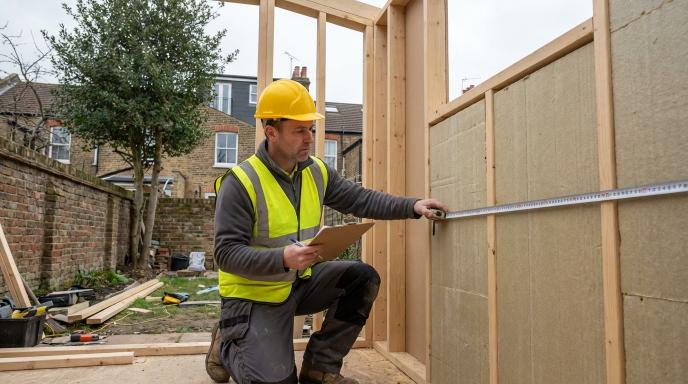
Two decisions before you build
Planning permission controls whether you may build and use the room on that site. Building regulations deal with how a building is constructed and whether the work needs building-control approval. A project can satisfy one set of rules and still need a decision under the other. The Planning Portal outbuilding guide covers the national planning starting point for qualifying houses in England.
Ordinary householder outbuilding rights do not extend to flats or maisonettes. They also do not authorise separate self-contained living accommodation. Check the property type and intended use before relying on a height or footprint rule.
When building-control approval may not be needed
For a detached building under 15 m² with no sleeping accommodation, building regulations will not normally apply. Between 15 m² and 30 m², the usual small-building exemption requires no sleeping accommodation and either at least one metre from the boundary or substantially non-combustible construction. These are exemption conditions, not a substitute for checking the full design. See the Planning Portal building-regulations guide.
A room with sleeping facilities, a bathroom or a kitchen needs an early conversation with the local planning authority and building control. Its proposed use matters as much as its floor area.
Electrics and other work still need checking
Even when the detached structure meets a small-building exemption, electrical work must comply with the relevant safety rules. Ask the electrician which work is notifiable, how it will be inspected or self-certified, and which certificates you will receive. Drainage, water supply and ventilation need their own design checks if you add plumbing or frequent occupancy.
Get the answers in writing before paying a deposit. The installer’s quote should identify who handles design, applications, inspections and handover documents.
What to send the council or installer
- A site plan showing the existing house, proposed footprint and distances to boundaries.
- Overall and internal dimensions, roof type and proposed materials.
- The actual use: office, music practice, client visits or any overnight stays.
- The electrical, drainage, heating and ventilation scope.
Ask the council about the planning route and building-control route separately. Our planning guide and building-regulations guide help you frame those questions.
Written by
LGR
Editorial Team
London Garden Rooms publishes general guidance to help homeowners prepare project questions. Check planning, technical and pricing details for your own property with the relevant professional.
Related articles
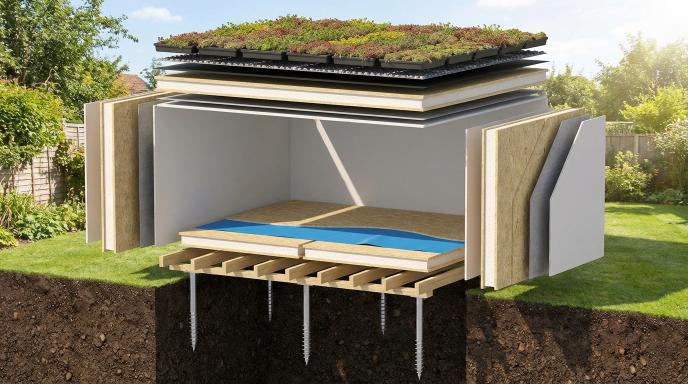
How Long Does a Garden Room Take to Build?
A garden room build is quick on site but the full timeline from order to handover is longer than most people expect. Here is a realistic breakdown of lead time, construction and the factors that move both.
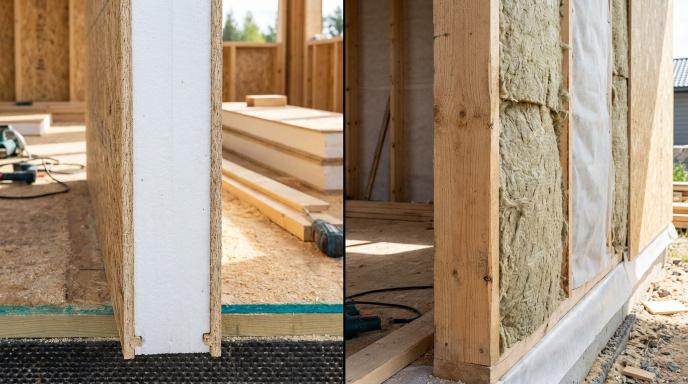
SIPs vs Traditional Timber Frame: Which Construction Method Wins?
SIPs panels arrive pre-made from the factory, while traditional timber frame requires cutting and assembling materials on-site. This difference leads to stark contrasts in build time, labour needs, an...
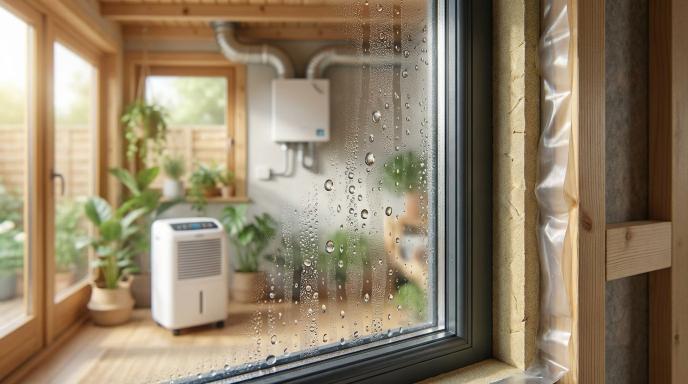
How to Avoid Damp and Condensation in a Garden Room
Garden rooms suffer higher condensation rates than main houses due to poor airtightness and thermal bridging. This happens because these structures often lack the insulation and sealing found in prima...
Get free quotes
Tell us about your project and we’ll look for relevant installers. Compare each written proposal before you choose.
Get free quotes
Describe your room, location and access to the garden.
Free to enquire. We use your details to respond and, where relevant, connect you with installers. See our Privacy Policy.