Understanding SIPs (Structural Insulated Panels)
_1.jpeg)
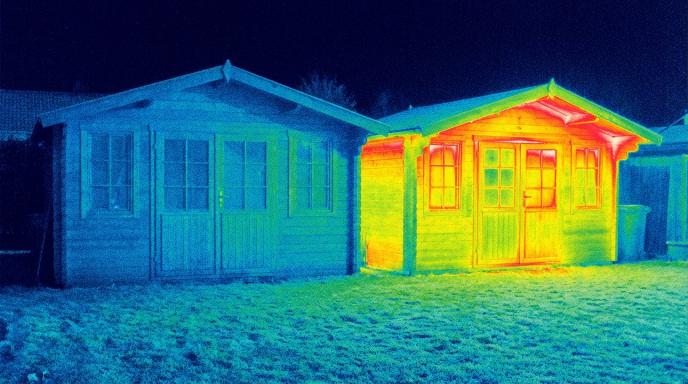
SIPs revolutionise construction as prefabricated, high-performance wall systems. These panels offer superior thermal performance compared to traditional timber frame methods, supporting year-round use in diverse climates.
SIPs consist of an insulating foam core (EPS, XPS, or polyurethane) sandwiched between two OSB structural skins, typically 4-6 inches thick. This design provides continuous insulation that minimises thermal bridging, unlike stud walls in timber frame construction.
Common sizes include 4x8 and 4x12 panels, with weights around 2.5-3.5psf for easy handling during erection. Manufacturers like Insulspan and Premier SIPs produce these for residential and commercial builds, enhancing energy efficiency and construction speed.
A cross-section shows the foam core bonded to 7/16-inch OSB skins, creating a rigid, load-bearing panel. This setup excels in airtightness and moisture resistance, ideal for winter heating and summer cooling in year-round applications.
SIP Construction and Materials
EPS foam cores provide R-4 per inch at 40% lower cost than polyurethane (R-6.5/inch) per Green Building Advisor material comparisons. This makes EPS a popular choice for budget-conscious projects needing solid thermal resistance.
Three core types dominate SIP production. EPS offers the cheapest option with fire-retardant grades, polyurethane delivers the highest R-value for superior insulation, and polyisocyanurate provides the best fire resistance for safety-focused builds.
- EPS: Affordable, polystyrene foam with good moisture resistance.
- Polyurethane: High R-value for energy savings in cold climates.
- Polyisocyanurate: Excellent fire resistance and thermal stability.
OSB skins use 7/16-inch exterior and 15/32-inch structural thicknesses for strength. Panel thicknesses like 4.5, 6.5, and 10.25 inches allow customisation for varying insulation needs in timber frame comparisons.
SIP joint sealing relies on gaskets or foam adhesive to ensure airtightness. These methods prevent heat loss and condensation, outperforming cavity insulation like fiberglass batts in traditional wood framing.
Bespoke Garden Rooms
Every Garden Is Unique — Your Room Should Be Too
From awkward L-shaped plots to ambitious multi-use briefs, London's best installers design garden rooms that fit your space and your life perfectly.
Traditional Timber Frame Insulation Methods
2x6 timber framing with cavity insulation remains the standard in timber frame construction, but thermal bridging through studs reduces effectiveness. Wood studs conduct heat faster than insulation, creating paths for heat loss in winter and heat gain in summer. This impacts year-round use and overall energy efficiency.
Compare 2x4 studs versus 2x6 studs for insulation thickness. 2x4 framing limits cavities to about 3.5 inches, suitable for basic R-13 to R-19 fills like fiberglass. 2x6 framing allows deeper cavities up to 5.5 inches, accommodating higher R-values for better thermal performance in cold climates.
Fiberglass batts at R-19 offer a cheaper option but can settle over time. Mineral wool reaches R-23 with superior fire resistance and acoustic insulation. Spray foam at R-6.5 per inch provides excellent air sealing, reducing air leakage in stud walls.
These methods suit residential construction and commercial buildings but require careful installation to minimise thermal bridging. Experts recommend combining cavity fills with exterior rigid foam boards for continuous insulation, improving insulation effectiveness compared to SIPs.
Common Materials and Techniques
Fiberglass batts from R-13 to R-19 fit 2x4 cavities but compress during install, potentially reducing performance. They remain popular for cost-effective cavity insulation in wood framing. Proper sizing ensures good contact with studs for thermal resistance.
Advanced framing techniques like 24-inch on-centre spacing reduce thermal bridging by using fewer studs. Double-wall methods create deeper cavities for R-30+ totals, enhancing winter heating and summer cooling. These approaches boost energy efficiency in temperate zones.
| Type | R-value/inch | Cost/sqft | Pros | Cons |
|---|---|---|---|---|
| Fiberglass batts | R-3.1 to R-5 | $0.50 | Low cost, easy to install | Settles over time, poor air sealing |
| Rockwool (mineral wool) | R-4.2 | $1.20 | Soundproofing, fire resistance | Heavier, higher moisture absorption |
| Closed-cell spray foam | R-6.5 | $2.50 | Air barrier, moisture resistance | Expensive, requires professional application |
This table highlights key insulation materials for traditional timber frame. Select based on climate adaptability, such as mineral wool for acoustic insulation in noisy areas. Always include a vapour barrier for condensation control.
Thermal Performance Comparison
Direct R-value and real-world tests show SIP superiority. Structural Insulated Panels deliver continuous insulation without the thermal breaks common in traditional timber frame construction. This leads to better year-round energy efficiency.
SIPs achieve whole-wall R-24 with a 6.5-inch panel, compared to timber frame's effective R-15 despite the same insulation thickness. The foam core, often polystyrene or polyurethane, bonds to oriented strand board for airtight performance. Traditional stud walls lose heat through wood framing.
U-value calculations highlight the gap, with SIPs offering lower values for superior thermal resistance. ORNL Hot Box tests confirm reduced heat flux in SIP assemblies. Thermal bridge analysis shows timber frames suffer penalties from studs and plates.
For year-round use, SIPs excel in cold climates and hot zones alike. Their continuous insulation minimises condensation control issues. Builders report stable indoor temperatures with less reliance on HVAC systems.
Winter Heat Retention
_2.jpeg)
Oak Ridge National Lab tests show SIPs have 52% less heat loss than 2x6 stick frame at 8°F exterior temperature. The continuous foam core eliminates thermal bridging from studs. This boosts overall heat retention during winter heating seasons.
Traditional timber frame with cavity insulation like fiberglass batts sees effective R-values drop due to bridging. SIPs maintain their rated performance across the entire panel. IECC climate zone requirements, such as R-20 for Zone 5, favour continuous insulation options.
| System | Whole-wall R-value | Heat loss (BTU/hr-ft²) | ORNL Test Result |
|---|---|---|---|
| SIPs R-24 effective (no bridging) | R-24 | 0.04 | 52% less loss |
| 2x6 w/ R-21 batts | R-14 effective (25% bridging penalty) | 0.07 | Baseline |
Practical examples include homes in temperate zones staying warmer with SIPs. Joint sealing during SIP assembly ensures airtightness. This reduces air leakage, as shown in blower door tests, for better building envelope integrity.
Summer Cooling Efficiency
SIPs reduce peak indoor temps by 15°F versus stick framing during 95°F days per FSEC Florida testing. Their continuous insulation cuts heat gain through framing members. This radiant barrier effect improves summer cooling performance.
Traditional wood framing allows heat to penetrate studs, increasing cooling loads. SIPs with integrated foil enhance solar heat gain resistance, aligning with ASHRAE 90.1 standards. Cooling load calculations often show a SIP house needing 2.5 tons of AC, versus 3.5 tons for timber frame.
Builders in hot climates note 28% potential savings in HVAC sizing. The polystyrene foam core provides thermal mass benefits without hygroscopic issues. Moisture resistance in SIPs aids condensation control during humid summers.
For year-round use, SIPs offer temperature stability and comfort levels. Pair them with proper ventilation for optimal indoor air quality. This setup lowers utility bills in cooling degree days heavy regions.
Energy Efficiency and Cost Savings
SIPs deliver 40-60% energy savings, with 5-7 year payback vs traditional framing per NAHB cost analysis. Structural Insulated Panels provide superior thermal performance through their foam core, such as polystyrene or polyurethane foam, sandwiched between oriented strand board. This design minimises thermal bridging common in timber frame construction with stud walls.
Traditional timber frame relies on cavity insulation like fiberglass batts or mineral wool, which often leaves gaps and reduces effectiveness. SIPs offer continuous insulation for better R-value and airtightness, cutting heat loss in winter and heat gain in summer. Homeowners notice stable indoor temperatures year-round.
ROI calculations show SIPs at $8-12 per square foot compared to $5-7 per square foot for stick-built framing, a $3 per square foot premium. For a 2,500 square foot home, energy savings of $1,200 per year lead to a 5.5-year payback period. Lifecycle costs favour SIPs due to lower utility bills and HVAC efficiency.
RESNET HERS scores reflect this edge, with SIPs typically at 50-60 versus 70-80 for traditional methods. The graph below illustrates cumulative costs over 15 years, where SIPs become cheaper after year 6.
| Year | SIPs Cumulative Cost | Traditional Cumulative Cost |
|---|---|---|
| 1 | $30,000 | $27,500 |
| 5 | $42,000 | $41,500 |
| 6 | $45,600 | $46,200 |
| 10 | $60,000 | $65,000 |
| 15 | $72,000 | $82,500 |
Moisture Management and Durability
SIPs' factory-controlled foam prevents most moisture intrusion compared to field-applied cavity insulation in traditional timber frame construction. Sealed joints in Structural Insulated Panels create a robust barrier, while drainage planes allow any water to escape. This design contrasts sharply with stud cavity wicking in wood framing.
In timber frame construction, moisture migrates through cavities filled with fiberglass batts or mineral wool, leading to potential buildup. SIPs use a foam core like polystyrene or polyurethane foam bonded to oriented strand board, minimising migration paths. Experts recommend this for year-round use in varied climates.
Dew point calculations show SIPs maintain interior surfaces above 45°F in cold weather, reducing condensation control risks. Traditional stud walls often place the dew point within the wall assembly, promoting mould growth. Continuous insulation in SIPs enhances thermal resistance and drying potential.
A case study from a SIP home during Hurricane Michael highlights durability, with zero mould after severe flooding. The building envelope stayed intact due to tight joint sealing and moisture resistance. This demonstrates SIPs' superiority in extreme conditions for long-term longevity.
Moisture Migration Mechanisms
SIPs feature sealed joints that limit air and water movement, unlike the open cavities in 2x4 or 2x6 stud walls. Water vapour diffusion is controlled by the impermeable foam core and vapour barrier properties of OSB skins. Traditional timber frame relies on hygroscopic materials that absorb moisture but struggle with drying in humid environments.
Visualise moisture migration: in SIPs, a drainage plane behind the exterior sheathing directs water outward, preventing interior saturation. Stud walls allow wicking along wood framing, creating damp zones prone to rot. Research suggests SIPs offer better moisture resistance through prefabrication quality.
Practical advice includes ensuring proper SIP assembly with gaskets at joints during erection. For retrofits or new builds, combine SIPs with breathable membranes to balance vapour flow. This approach supports climate adaptability in hot or cold regions.
Dew Point and Condensation Control
_3.jpeg)
Dew point calculations in SIPs position the risk zone firmly within the thick foam core, keeping surfaces warm. In winter heating scenarios, this avoids interstitial condensation common in cavity insulation. Timber frame stud walls often shift the dew point to framing lumber, reducing drying potential.
SIPs provide continuous insulation that eliminates thermal bridging from studs, stabilising temperatures year-round. For summer cooling, the airtightness prevents humid air entry, lowering heat gain. Experts recommend thermal modelling to verify performance before construction.
Actionable steps involve selecting panel thickness based on local heating and cooling degree days. Integrate HVAC efficiency with SIPs for optimal indoor air quality and comfort levels. This ensures mould resistance without added vapour barriers in most cases.
Real-World Durability Case Study
During Hurricane Michael, a residential SIP structure endured high winds and flooding with no structural damage or mould issues. The building envelope integrity held, thanks to wind-resistant panels and sealed joints. Traditional timber frame homes nearby suffered cavity saturation and rot.
Post-storm inspection revealed the SIP home's foam core blocked moisture penetration effectively. Load-bearing capacity and seismic performance remained uncompromised. This example underscores SIPs' edge in durability for coastal or high-risk areas.
For commercial buildings or passive house standards, replicate this by prioritising joint sealing and crane-lifted on-site assembly. Lifecycle costs favour SIPs due to reduced maintenance from superior moisture management. Builders note faster construction speed as a bonus.
Installation and Maintenance
SIPs accelerate construction with prefab panels that arrive ready for quick assembly. These Structural Insulated Panels cut framing labour by reducing build time from six months to three months for single-family homes. Workers focus on erection rather than cutting and nailing individual pieces.
Installing SIPs involves crane-lifted panels, typically placing three to four panels per hour. Traditional timber frame construction uses stick framing at a rate of 20 to 25 sticks per hour. Smaller crews handle SIPs, often just a few people versus larger teams for wood framing.
Weather delays affect traditional methods more due to exposure of lumber and cavities during assembly. SIPs offer better protection with their sealed foam core and OSB skins. Quality control improves through factory prefabrication, minimising on-site errors in joint sealing.
Traditional timber frame requires field-applied sealants around stud walls and cavity insulation like fiberglass batts. SIPs maintain airtightness from the start, supporting year-round use in varied climates. This leads to fewer callbacks for air leaks or thermal bridging issues.
Long-Term Upkeep Differences
SIPs require less maintenance over 50 years due to factory-sealed joints compared to field-applied sealants in traditional builds. Their rigid structure resists common issues like settlement cracks. Homeowners enjoy stable interiors with minimal touch-ups.
Termite damage proves rare in SIPs thanks to treated foam cores such as polystyrene or polyurethane. Traditional wood framing demands regular inspections and treatments for pests. SIPs also show strong moisture resistance, reducing mold risks through better condensation control.
Repaints happen less often with SIPs' stable OSB sheathing, unlike shifting traditional exteriors. Insurance often favours SIPs with lower premiums for wind and hail due to enhanced structural integrity. This supports longevity in cold climates or hot zones.
| Issue | SIPs | Traditional Timber Frame | 50-Year Cost Impact |
|---|---|---|---|
| Termite Damage | Treated foam core, rare issues | Wood vulnerable, needs treatments | SIPs lower ongoing costs |
| Settlement Cracks | Rigid panels prevent shifts | Flexible framing prone to cracks | SIPs reduce repair expenses |
| Repaints | Stable sheathing lasts longer | Frequent due to movement | SIPs save on labour and materials |
Frequently Asked Questions
What is the main difference in year-round use between SIPs and traditional timber frame insulation?
_4.jpeg)
In "Year-Round Use: Comparing SIPs vs. Traditional Timber Frame Insulation," SIPs (Structural Insulated Panels) offer superior thermal performance due to their continuous insulation core, minimising thermal bridging for consistent comfort in all seasons, while traditional timber frame insulation relies on cavity filling that can lead to gaps and higher heat loss year-round.
Are SIPs more energy-efficient for year-round climate control than traditional timber frames?
Yes, under "Year-Round Use: Comparing SIPs vs. Traditional Timber Frame Insulation," SIPs provide better energy efficiency with R-values up to 50% higher per inch, reducing heating and cooling costs throughout the year compared to traditional timber frames, which often suffer from convection and settling issues in insulation.
How do SIPs handle extreme weather better for year-round use?
"Year-Round Use: Comparing SIPs vs. Traditional Timber Frame Insulation" highlights SIPs' monolithic structure, which resists wind, moisture, and temperature swings more effectively, maintaining integrity in harsh winters or hot summers, unlike traditional timber frames prone to warping, rot, or insulation degradation over time.
What about moisture management in SIPs versus traditional timber frame for all-season use?
For "Year-Round Use: Comparing SIPs vs. Traditional Timber Frame Insulation," SIPs feature vapour-permeable yet moisture-resistant foams like EPS or XPS, preventing condensation buildup year-round, whereas traditional timber frames can trap moisture in cavities, leading to mould and reduced insulation effectiveness across seasons.
Which is easier to maintain year-round: SIPs or traditional timber frame structures?
In the context of "Year-Round Use: Comparing SIPs vs. Traditional Timber Frame Insulation," SIPs require less maintenance due to fewer joints and airtight seals that endure seasonal changes without cracking, while traditional timber frames demand regular checks for settling insulation, pest issues, and frame settling in varying weather.
Can SIPs reduce noise better than traditional timber frames for year-round living comfort?
"Year-Round Use: Comparing SIPs vs. Traditional Timber Frame Insulation" notes that SIPs' dense, solid panels excel in sound insulation year-round, blocking external noise from storms or traffic more effectively than traditional timber frames, which have air gaps and resonant cavities that amplify sounds regardless of season.