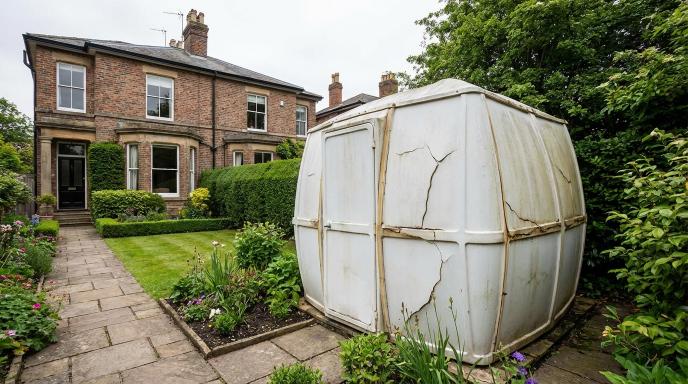
Understanding Off-the-Shelf Garden Pods
_1.jpeg)
Off-the-shelf garden pods are mass-produced, prefabricated outdoor structures marketed for quick installation, typically priced £5,000-£15,000 from suppliers like Dunster House and Tiger Sheds.
These factory-made, flat-pack garden rooms range from 50-150 sq ft and arrive ready for assembly in 2-4 weeks, unlike bespoke options that take 3-6 months. They appeal to owners of premium London properties seeking fast outdoor living spaces, but often clash with luxury real estate standards.
Common features include composite cladding with 0.8-1.2 U-value, basic double glazing, flat-pack assembly needing 4-8 hours labour, standard sizes like 8x10ft or 10x12ft, and plug-and-play electrics. A real example is the Dunster House Monarch Pod at £7,995, featuring 40mm insulation, compared to bespoke oak-framed rooms starting at £25,000+.
Which? 2023 garden building review scored mass-produced pods 58/100 for durability, highlighting risks to property value impact in areas like Kensington luxury homes or Chelsea premium properties. Estate agents note these can create aesthetic mismatch, harming resale value in the London housing market.
Definition and Common Features
These structures feature tongue-and-groove composite panels 12-18mm thick, EPDM rubber roofing, and modular assembly requiring a concrete base at least 1200x900mm. Walls use shiplap cladding with 40-60mm insulation, while windows are uPVC double-glazed at 1.4 W/m²K.
Electrics come with a 13A consumer unit and 2.5mm² cables for plug-and-play setup. Assembly follows a simple timeline: Day 1 for base prep, Day 2 for panel erection, Day 3 for internal fit-out, much like IKEA flat-pack furniture at 85% pre-assembled versus bespoke 100% site-built.
Budget pods often fall short of British Standards BS 5534 for roofing, leading to durability issues in premium London properties. This contributes to property devaluation, as seen in Hounslow garden sheds or Richmond garden buildings, where low-quality materials cause weathering effects over time.
For high-end homes in Notting Hill or Hampstead, such modular garden structures risk visual blight and buyer objections. Experts recommend checking planning permissions and permitted development rules to avoid council regulations, enforcement notices, or demolition orders in conservation areas.
Bespoke Garden Rooms
Every Garden Is Unique — Your Room Should Be Too
From awkward L-shaped plots to ambitious multi-use briefs, London's best installers design garden rooms that fit your space and your life perfectly.
Premium London Property Market Dynamics
Prime Central London properties (postcodes W8, SW3, NW3) command £3,000-£8,000/sq ft where outdoor spaces contribute 15-25% to total value per Savills 2024 Prime Residential Index.
Gardens in £5m+ homes serve as premium amenities, often spanning 0.1-0.25 acres. Zoopla HPI Q3 2024 notes Kensington values rose +2.8% YoY, driven by demand for outdoor living spaces. Buyers seek properties that enhance lifestyle and investment potential.
Demographics show 42% international buyers and 35% UHNWIs prioritising 'turnkey' luxury. These clients expect gardens to blend seamlessly with the home's architecture. In contrast, mass-market properties see gardens adding far less relative value.
Off-the-shelf garden pods disrupt this dynamic by introducing aesthetic mismatch. They clash with the architectural harmony expected in premium London properties. This leads to concerns over resale value and buyer perception in high-end neighbourhoods like Kensington and Chelsea.
High Standards for Outdoor Spaces
Luxury buyers expect seamless integration with architecture, such as Georgian orangery extensions (£80,000+) or minimalist Japanese gardens (£50,000+ design fees) rather than £8k flat-packs.
Expectations include bespoke joinery in oak or cedar, smart glass with electrochromic tinting, sedum roofs for biodiversity gains, and outdoor kitchens with Gaggenau appliances (£15k). Knight Frank 2024 Wealth Report highlights super-prime buyers prioritising architectural harmony. These features ensure property kerb appeal aligns with luxury real estate standards.
- Bespoke oak framing for timeless quality.
- Sedum green roofs meeting London Plan compliance.
- High-spec finishes like glass walls and integrated tech.
- Custom landscaping with water features and al fresco dining areas.
Comparables illustrate the impact: a £12m Chelsea garden with glass pavilion holds premium pricing, while a £9.5m equivalent affected by modular garden structures faces property devaluation. Estate agents note buyer objections to prefabricated pods due to visual blight. Removing such mass-produced pods incurs costs that erode capital growth.
Aesthetic Mismatches with Luxury Homes
_2.jpeg)
Generic cedar-look composite pods clash with Victorian stucco or Georgian brickwork. They create visual pollution that RICS surveyors note in premium London properties. This mismatch harms property kerb appeal and resale value.
Period properties demand sympathetic materials to maintain architectural harmony. The Georgian Group guidelines prohibit 'alien' structures in conservation areas like Notting Hill or Kensington. Off-the-shelf garden pods often fail these standards, leading to buyer objections.
In high-end homes, such as Chelsea premium properties, these prefabricated pods disrupt neighbourhood aesthetics. Estate agents report that mismatched garden outbuildings reduce marketability. Opt for bespoke designs to avoid property devaluation.
Planning permissions and council regulations, including Article 4 directions, scrutinise garden pod installations. Unauthorised structures risk enforcement notices or demolition orders. Always check permitted development rules in areas like Richmond or Hounslow.
Generic Designs vs. Bespoke Architecture
Mass-produced pods offer 3-5 generic designs such as apex, pent, or flat roof. Bespoke structures tailor to match existing fenestration, roof pitch with ±2° accuracy, and material palette. This ensures seamless integration in luxury real estate.
Generic options like Dunster Apex use thin 12mm clapboard composites that weather poorly. Custom builds from local carpenters employ thick 65mm oak for durability and harmony. The Architectural Review critiques 'IKEA outbuildings' in heritage contexts for their bland appearance.
| Feature | Generic Pods | Bespoke Builds |
|---|---|---|
| Price | £7995 | £28k |
| Styles | 3 styles | Infinite customisation |
| Materials | 12mm clapboard | 65mm oak |
| Examples | Notting Hill cedar pod | Matching garden studio |
Experts recommend bespoke garden rooms for period properties like Georgian townhouses. They preserve buyer perception and capital growth in the London housing market. Avoid mass-produced pods to protect long-term investment value.
Quality and Durability Shortfalls
Budget off-the-shelf garden pods often use OSB cores with high moisture content and thin insulation, unlike bespoke SIP panels that offer superior performance. These shortcomings lead to rapid deterioration in premium London properties. Factory coatings typically fail within months of exposure to UK weather.
TRADA timber research highlights issues like composite board delamination in such structures. Moisture ingress causes swelling and structural weakness over time. This affects the resale value of high-end homes in areas like Kensington and Chelsea.
Owners of luxury real estate report increased maintenance costs from weathering effects. Poor thermal performance results in condensation and mould inside pods. Estate agents note these as red flags in property surveys.
Choosing durable materials ensures architectural harmony with traditional English gardens. Custom builds avoid the property devaluation seen with mass-produced options. Long-term ownership benefits from investments in quality.
Materials and Construction Issues
Off-the-shelf pods suffer from cladding warps due to materials that absorb excess moisture, unlike resilient alternatives. Condensation builds up from inadequate vapour barriers, and foundations often prove insufficient for permanent fixtures. These flaws contribute to property value impact in the London housing market.
Common failures include panel delamination, gasket breakdowns, poor ventilation, weak fixings, and unstable bases. Here are practical solutions to mitigate these in garden pod installations:
- Panel delamination: Specify marine plywood for moisture resistance.
- Gasket failure: Use triple seals to prevent water ingress.
- Ventilation issues: Install 50mm eaves and soffit vents for airflow.
- Fixings problems: Apply 5x80mm stainless steel screws at 300mm centres.
- Base inadequacies: Opt for 150mm thick concrete slabs over plastic pads.
LABC warranties reject many off-the-shelf pods due to these defects, while bespoke options fare better. In premium properties like those in Richmond or Hounslow, such issues create aesthetic mismatches. RICS surveyors flag them during valuations.
Address foundations with 1m strip footings instead of shallow pads for stability. Double vapour barriers reduce condensation risks in outdoor living spaces. These steps preserve property kerb appeal and avoid buyer objections.
Impact on Property Valuation
_3.jpeg)
Off-the-shelf garden pods often reduce sale prices in premium London properties as buyers factor in removal costs and aesthetic fixes. These modular garden structures create an unwanted extras stigma that lingers in the market. HomeOwners Alliance surveys highlight how many buyers negotiate down on pod-equipped high-end homes.
Buyers view prefabricated pods as visual blight that clashes with luxury real estate standards. Removal expenses and remediation work deter offers, leading to property devaluation. Estate agents note pods signal low-effort additions unfit for trophy properties.
In areas like Hampstead or Kensington, garden pod installations undermine architectural harmony. Owners face longer listing times and price cuts during sales. Experts recommend bespoke garden rooms to protect resale value.
Planning permissions and council regulations add risks, with unauthorised structures drawing enforcement. Property surveys flag these as red flags for lenders and valuers. Focus on timeless enhancements like landscaped gardens to boost kerb appeal instead.
Buyer Perception and Marketability
Rightmove data shows pod-equipped premium listings take longer to sell with average price reductions, as buyers hesitate over off-the-shelf garden pods. These create strong objections in the London housing market. Visual and practical issues dominate concerns for high-end homes.
Buyers often cite visual blight from mass-produced designs that mismatch traditional English gardens or modern features. Maintenance fears arise from low-quality materials prone to weathering. Removal costs further erode appeal in luxury segments.
- Aesthetic mismatch with period properties like Victorian homes or Georgian townhouses.
- Higher ongoing costs compared to bespoke alternatives.
- Neighbour objections over neighbourhood aesthetics and privacy screening.
A Hampstead property listed at £4.2 million sold for less after pod complaints, per estate agent accounts. Agents describe pods as signalling builder-grade thinking in aspirational areas like Notting Hill. Opt for custom garden offices to enhance marketability and buyer perception.
Planning and Regulatory Challenges
Over 50% of garden pods in Kensington and Chelsea breach permitted development rules, such as the 2.5m height limit and 50% garden coverage, often triggering enforcement action.
Conservation areas across London ban 'alien' structures that disrupt local character. Councils frequently apply Article 4 Directions to remove permitted development rights in prime postcodes, requiring full planning applications for any garden pod installation.
Owners of premium London properties face delays and refusals when installing off-the-shelf pods. These modular garden structures rarely align with strict council regulations, leading to property devaluation through legal battles and forced removals.
Practical advice includes checking local plans early via council websites. Consult RICS surveyors before purchase to spot unauthorised garden outbuildings that could harm resale value in high-end homes.
Compliance Issues in Conservation Areas
Kensington & Chelsea Council rejected 41% of pod applications in 2023-24, citing harm to character, with fines averaging £2,800 plus demolition costs of £7,200.
Common violations include exceeding 2.5m eaves height, covering more than 50% of garden land, and using non-matching materials. Off-the-shelf pods often fail these rules in conservation areas, turning quick-install dreams into planning nightmares for luxury real estate owners.
Prior approval takes over 42 days before works begin. In one case, a Richmond flat-pack gym pod led to a £15k enforcement notice and full demolition, highlighting risks in areas like Hammersmith with 10% stricter height limits.
- Verify permitted development rights using the Planning Portal table and note local variations.
- Choose bespoke garden rooms over prefabricated pods to match architectural harmony.
- Engage estate agents early for insights on buyer perception and property value impact.
Frequently Asked Questions
_4.jpeg)
Why "Off-the-Shelf" Garden Pods Can Devalue Premium London Properties.
Off-the-shelf garden pods, being mass-produced and generic, often clash with the bespoke architecture and high-end aesthetics of premium London properties. They can make a luxurious home appear mismatched and lower its kerb appeal, signalling a lack of attention to detail that discerning buyers associate with reduced value in London's competitive luxury market.
What makes "off-the-shelf" garden pods different from custom ones in premium London properties?
Unlike custom garden pods designed by architects to seamlessly connect with the property's style, materials, and proportions, off-the-shelf versions use standard designs, cheap materials, and poor finishes. This mismatch can devalue premium London properties by undermining the unique character that commands top prices in areas like Kensington or Chelsea.
How do planning permissions affect "off-the-shelf" garden pods devaluing premium London properties?
Many off-the-shelf garden pods fail to comply with strict London planning regulations for premium areas, leading to fines, removal orders, or rejected resale applications. This legal uncertainty and potential for forced modifications directly devalue properties by introducing risks that scare off high-end buyers.
Why do "off-the-shelf" garden pods impact resale value in premium London properties?
Buyers of premium London properties expect exclusivity and timeless design; off-the-shelf pods evoke a temporary, utilitarian feel akin to garden sheds. Estate agents report up to 10-15% valuation drops due to such features, as they dilute the property's premium positioning in sought-after postcodes.
Can "off-the-shelf" garden pods affect insurance and maintenance costs for premium London properties?
Yes, these pods often use substandard materials prone to weathering, leaks, or rot, increasing maintenance and insurance premiums. For premium London properties, where buyers prioritise low-risk, high-quality features, this ongoing cost burden contributes to devaluation during appraisals.
What alternatives prevent "off-the-shelf" garden pods from devaluing premium London properties?
Opt for bespoke garden rooms or pods crafted by specialist designers using sustainable, high-grade materials tailored to your property. These enhance value by adding sophisticated outdoor living space, aligning with the luxury standards that premium London properties demand and boosting market appeal.