Costs Comparison
_1.jpeg)
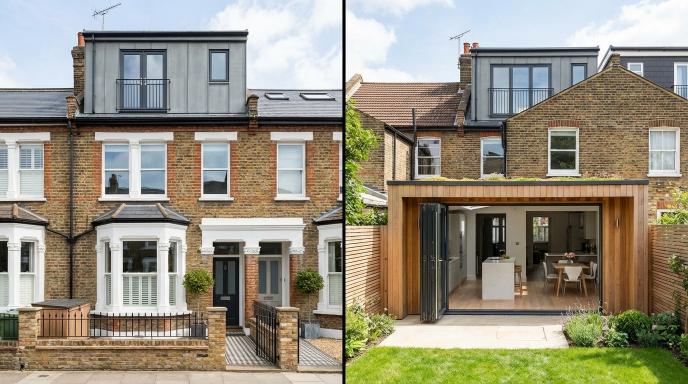
Garden rooms deliver £1,800-£2,500/sqm vs loft conversions at £2,200-£3,200/sqm, but lofts add more bedrooms for higher value uplift. Total project costs for a typical 3m x 4m garden room range from £25,000 to £45,000, while a 30sqm L-shaped dormer loft hits £50,000 to £80,000. According to the Homebuilding & Renovating magazine cost index 2024, garden rooms offer better value per £ spent in Zone 2 due to quicker builds and lower disruption.
Value added per £ spent favours garden rooms for flexible spaces like home offices, yielding quicker ROI through rental potential or resale appeal. Loft conversions excel in bedroom addition and en-suite bathrooms, boosting market value in tight London property markets like Clapham or Brixton. Consider ongoing costs such as maintenance and energy efficiency when comparing.
London premiums add 25% to national averages for both, driven by labour costs and planning needs. Detailed breakdowns below cover itemised expenses, timelines, and VAT considerations. Weigh cost vs benefit against your plot size and permitted development rights.
For Zone 2 homes, garden rooms often reclaim 15-20% VAT as temporary structures, unlike lofts facing full VAT on construction. Experts recommend fixed-price contracts to control overruns. This sets up real estate investment decisions based on local comparables.
Garden Room Costs
A 3m x 4m modular garden room totals £28,500, with base structure at £18,000, insulation £2,500, bi-fold doors £3,500, electrics and plumbing £2,000, plus groundwork £2,500. These prefab extensions suit Zone 2 garden office or studio needs, built in 4 weeks with minimal disruption. Timber frames and flat roofs keep material costs low.
| Cost Item | Range |
|---|---|
| Structure | £12,000-£25,000 |
| Foundation | £2,000-£4,000 |
| Windows/Doors | £3,000-£6,000 |
| Services (Electrics/Plumbing) | £2,000-£5,000 |
| Extras (e.g. kitchenette) | £3,000+ |
15-20% VAT reclaimable applies to non-residential garden rooms under HMRC rules, reducing net outlay. London premium adds 25% over national averages due to access and labour. Opt for double glazing and underfloor heating for year-round use and energy efficiency.
Planning permission often falls under permitted development for footprint under 2.5m eaves height. Integrate decking or patio connections for outdoor living enhancement. This space addition boosts curb appeal without neighbor impact from party walls.
Loft Conversion Costs
An L-shaped dormer loft (30sqm) totals £58,000, including structure £28,000, RSJ £4,500, stairs £6,000, en-suite £8,000, architect and engineering £4,000, scaffolding £3,500. These attic conversions add valuable bedroom addition and living space over 10-12 weeks. Dormer designs maximise headroom in 1930s semis common in Balham.
| Cost Item | Range |
|---|---|
| Architect Fees | £3,000-£6,000 |
| Structural Engineer | £1,500-£3,000 |
| RSJ/Steel | £4,000-£8,000 |
| Staircase | £5,000-£10,000 |
| En-suite Bathroom | £7,000-£12,000 |
| Internal Fit-out | £10,000-£20,000 |
| Party Wall Agreement | £1,500-£3,000 |
Building regulations demand fire safety, insulation, and escape routes, pushing up labour costs. Party wall agreements are essential in terraced Zone 2 homes to avoid disputes. Scaffolding and crane hire add to the premium in urban settings.
Velux windows or Juliette balconies improve natural light, aiding resale value. Focus on soundproofing for multi-generational living. Despite higher upfront costs, lofts deliver strong ROI through increased square meter price in the local property market.
Garden Offices
Design Your Perfect Garden Office
SIPs-insulated, gigabit-ready workspaces built for year-round London use. Ditch the commute — start working from the bottom of your garden.
Zone 2 Market Specifics
Clapham Common terraces with loft conversions sell 23% above asking price vs 15% premium for garden rooms (Foxtons Q4 2024 data). Zone 2 homes average £1.35M with 4.2% yields. Local estate agents note buyer priorities centre on bedrooms first, followed by garden offices.
In areas like Clapham, Balham and Brixton, Zone 2 property values benefit from strong demand for extra living space. Loft conversions often boost resale value through added bedrooms, while garden rooms appeal for flexible use. Estate agent insights highlight how these home extensions align with buyer needs for remote work setups.
Victorian terraces see higher premiums from loft work due to vertical space addition. Garden rooms enhance outdoor living and curb appeal in compact plots. Consider local comparables when planning your home improvement for optimal ROI.
Planning permission and building regulations vary by property type in Zone 2. Loft projects may need structural engineering for steel beams, while modular garden rooms fit permitted development rules. Weigh construction costs against market value uplift for your real estate investment.
London Buyer Preferences
_2.jpeg)
67% of Zone 2 buyers prioritize extra bedrooms over garden offices (Rightmove Buyer Survey 2024); en-suite master suites add £25k-£35k premium. Top demands include bedroom additions, followed by home offices and open plan kitchens. This shapes choices between loft conversion and garden room for property value.
- Bedroom 5 tops lists at +67% demand, ideal for family expansion in 1930s semis.
- Master en-suite at +54%, boosting appeal in Victorian terraces with seamless integration.
- Home office at +42%, where loft or garden studios suit remote work setups.
- Open plan kitchen at +38%, often paired with rear extensions.
- Garden room at +29%, valued for garden office or gym room use (Hamptons/Natwest data).
In 1930s semis, loft dormers add bedrooms with high uplift, while Victorian terraces gain from en-suites via mansard lofts. Garden rooms offer quick space addition without neighbour impact. Match your home extension to these preferences for better resale appeal.
Experts recommend assessing cost vs benefit with local estate agents. For instance, a dormer loft in Clapham increases square meter price through added floorspace. Garden rooms with bi-fold doors enhance natural light and year-round use, fitting buyer trends for wellness spaces.
Garden Room Advantages
Garden rooms offer standalone installation in about three weeks, zero house disruption, and flexible uses such as an office, gym, or studio. Unlike integrated extensions like loft conversions, they avoid complex planning permission hurdles and structural changes to the main house. This makes them ideal for quick space addition in a Zone 2 home.
Installation happens on a simple foundation in the garden, preserving indoor living during construction. Flexible designs suit remote work setups or family needs without altering the home's footprint. Experts recommend them for permitted development projects under Class E rules.
Specific use cases include transforming the space into a garden office with broadband cabling and insulation for year-round use. As a gym room or yoga studio, it maximises natural light through bi-fold doors. These options boost resale value by appealing to buyers seeking versatile living space.
Modular garden rooms cut construction costs with prefab elements, offering good ROI through low maintenance. In Zone 2 areas like Clapham or Balham, they enhance outdoor living without losing garden usage. Consider adding underfloor heating for comfort in London's variable weather.
Garden Office Use Case
Garden rooms excel as home office space for hybrid working in Zone 2 London. Install double glazing and MVHR ventilation for energy efficiency and air quality. This setup saves commute time near tube stations.
Integrate smart home tech like LED lighting and 5G signal boosters. Add decking for patio connection and privacy fencing. Such features create a productivity hub with biophilic design elements.
Costs stay lower than loft conversions due to no structural engineering needs. Resale appeal rises for professionals valuing quiet workspaces. Experts suggest soundproofing to minimise neighbor impact.
Gym and Studio Flexibility
Convert a garden room into a gym room or yoga studio with rubber flooring and mirrors. Large windows maximise light and views, enhancing wellbeing. It's pet-friendly and accessible with level entry.
Include storage for equipment and a kitchenette for post-workout refreshment. Timber frame construction ensures thermal performance. This adds curb appeal as a modern extension.
For artists, a garden studio suits craft rooms or music setups with acoustic glass. Modular options allow easy customisation under building regulations. Families in Brixton gain multi-functional space without house disruption.
Loft Conversion Advantages
_3.jpeg)
Loft conversions add permanent bedroom floorspace of 25-35sqm, increasing EPC rating by one band and bedroom count, critical for Zone 2 families. They provide the highest value uplift per sqm at around £2,800, per RICS valuation guidelines. No garden loss occurs, unlike ground-level extensions.
Seamless house integration creates cohesive living space, such as a master suite with en-suite bathroom. Dormer or Velux designs boost natural light via rooflights. This appeals to buyers in the London property market seeking bedroom additions.
Future-proof vertical expansion suits terraced homes in Clapham or Balham. Add built-in wardrobes and oak flooring for premium feel. Estate agents note strong resale value from extra bedrooms.
Compare costs: loft work involves architect fees and RSJ installation but yields high ROI. Check permitted development for Class B rights, avoiding full planning. Insulation upgrades improve energy efficiency long-term.
Loft Conversion Advantages
Loft conversions top the list for value uplift per sqm, outpacing garden rooms in tight Zone 2 plots. RICS guidelines highlight their premium on property valuation. They preserve full garden usage for outdoor living.
Seamless integration blends with existing architecture, like in 1930s semis. Add a Juliette balcony for views and light maximisation. This raises market value through added floorspace.
- Highest ROI from bedroom addition premium in family homes.
- No loss of garden usage, vital in urban London.
- Permanent expansion via dormer or hip-to-gable designs.
- Boosts EPC rating with modern insulation and double glazing.
- Future-proofs against family growth or resale needs.
Practical steps include structural surveys and party wall agreements. Costs cover scaffolding and crane hire, but break-even comes via house price increase. Ideal for multi-generational living with stairlift options.
Frequently Asked Questions
Garden Room vs. Loft Conversion: Which Adds More Value to a Zone 2 Home?
In Zone 2 London, where space is at a premium and property values are high, a loft conversion typically adds more value (around 10-20% uplift) by increasing usable indoor living space in a compact urban home. A garden room adds value too (5-10%), but its outdoor appeal is slightly less impactful unless the garden is large, as buyers prioritise internal square footage.
What is the average cost of a garden room vs. a loft conversion for a Zone 2 home?
_4.jpeg)
For a Zone 2 property, a garden room costs £15,000-£40,000 depending on size and features, whilst a loft conversion ranges from £30,000-£60,000+ due to structural work and planning. Garden rooms are quicker and cheaper to build without needing full planning permission under permitted development rights.
How much value does a loft conversion add to a Zone 2 home compared to a garden room?
A loft conversion can boost a Zone 2 home's value by £50,000-£100,000+ by adding bedrooms or offices, directly increasing the home's footprint. A garden room might add £20,000-£50,000, valued as versatile extra space like a gym or office, but it's less integral to the main house.
Which option requires more planning permission in Zone 2: garden room or loft conversion?
Loft conversions in Zone 2 often need full planning permission due to height restrictions and party wall issues in terraced homes, whereas garden rooms under 2.5m height usually qualify for permitted development, making them easier and faster for Zone 2 gardens.
Garden Room vs. Loft Conversion: Which is better for families in Zone 2 homes?
For Zone 2 families needing bedrooms, a loft conversion wins for value addition and year-round use. A garden room suits flexible spaces like playrooms or home offices, adding value without disrupting the main house, ideal if garden access is key.
What are the resale benefits of a garden room vs. loft conversion in Zone 2?
Buyers in Zone 2 favour loft conversions for permanent space gains, enhancing kerb appeal and EPC ratings for higher resale prices. Garden rooms appeal to remote workers or those wanting separation, adding unique value but potentially less universally than integrated loft space.